Water sounds, rain and speech privacy in clinics and pharmacies: acoustic masking and blue-space research
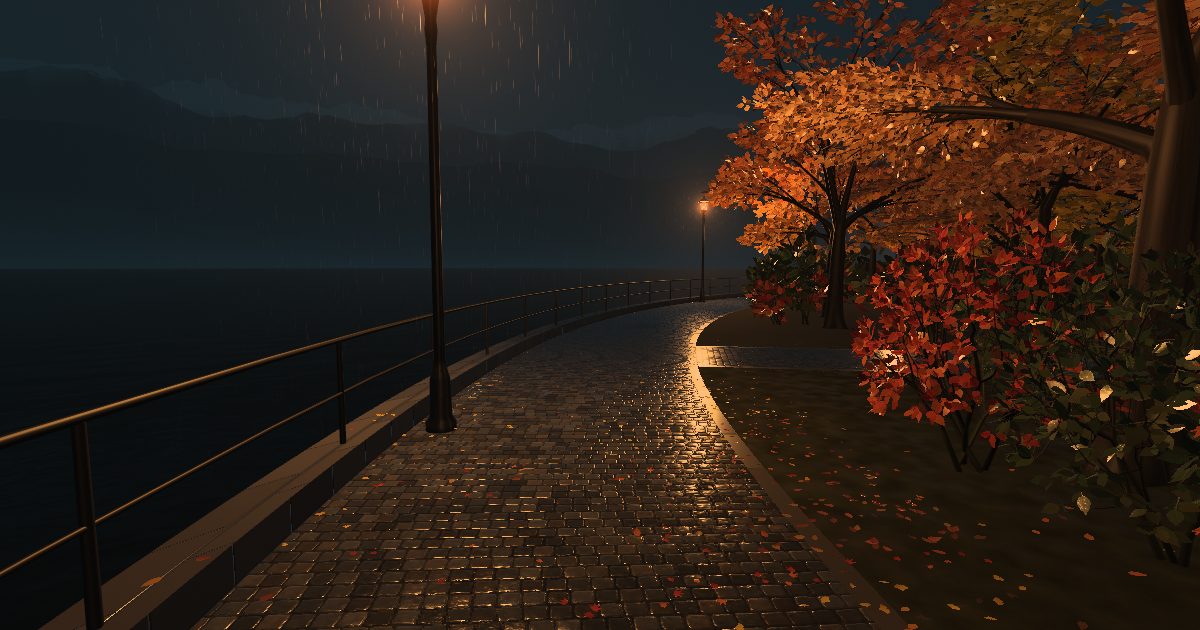
When a clinic or pharmacy turns off a noisy waiting-room television, a second problem often appears: the room becomes so quiet that every word spoken at the check-in desk, pharmacy counseling window or nearby exam room door carries clearly to the waiting chairs.
1. Why dead silence makes private conversations carry
Whether a waiting patient can understand a conversation three meters away depends less on the absolute volume of the speaker's voice and more on the signal-to-noise ratio (SNR) between the voice and the room's background sound floor.
In a pin-drop-quiet room, consonants in the 500 Hz to 4,000 Hz range—which carry most of the intelligibility of human speech—travel across the room unmasked. In healthcare and pharmacy settings (where frameworks such as the U.S. HIPAA Privacy Rule call for reasonable safeguards against incidental disclosure of protected health information), this creates discomfort for both patients and staff.
2. Why continuous water and rain sounds mask speech better than slow music
- No gaps between notes: Slow piano or acoustic music has pauses and rests between notes; during those silent gaps, words from the front desk still cut through. Continuous natural sounds—gentle rain, a forest stream, surf or a waterfall—contain broadband energy across the speech frequencies (similar to pink noise), softening the edges of distant consonants without needing to be loud.
- Visual congruence (seeing the source of the sound): When a broadband "shhh" sound plays from hidden ceiling speakers alone, some visitors perceive it as loud HVAC hiss. When a screen on the wall shows rain falling on a lake or water flowing through a forest, the brain attributes the sound to the scene and stops noticing it as noise.
3. Research on nature sounds and "blue space"—and a practical caveat
In an experimental study in Sweden (Alvarsson et al., 2010), participants exposed to nature sounds (birds and water) after a stressful task showed faster sympathetic nervous system recovery (measured by skin conductance level) than those exposed to environmental noise. Systematic reviews of "blue space" environments (Georgiou et al., 2021) likewise report associations with psychological restoration.
One practical caveat: Running-water sounds can trigger the urge to urinate. In urology clinics or ultrasound waiting areas where patients are asked to hold a full bladder, forest wind, birdsong or a crackling campfire is a kinder choice than a waterfall.
keensense, for comparison
keensense pairs real-time browser scenery with recorded natural soundscapes—gentle rain, ocean surf, a forest stream with birds, or a crackling fire—with no musical compositions (so no ASCAP/BMI music license is needed).
- Price: $69/month or $690/year per location, covering unlimited screens in the facility, with a 7-day money-back guarantee.