Can you play YouTube ambient videos in your business? What YouTube's Terms say
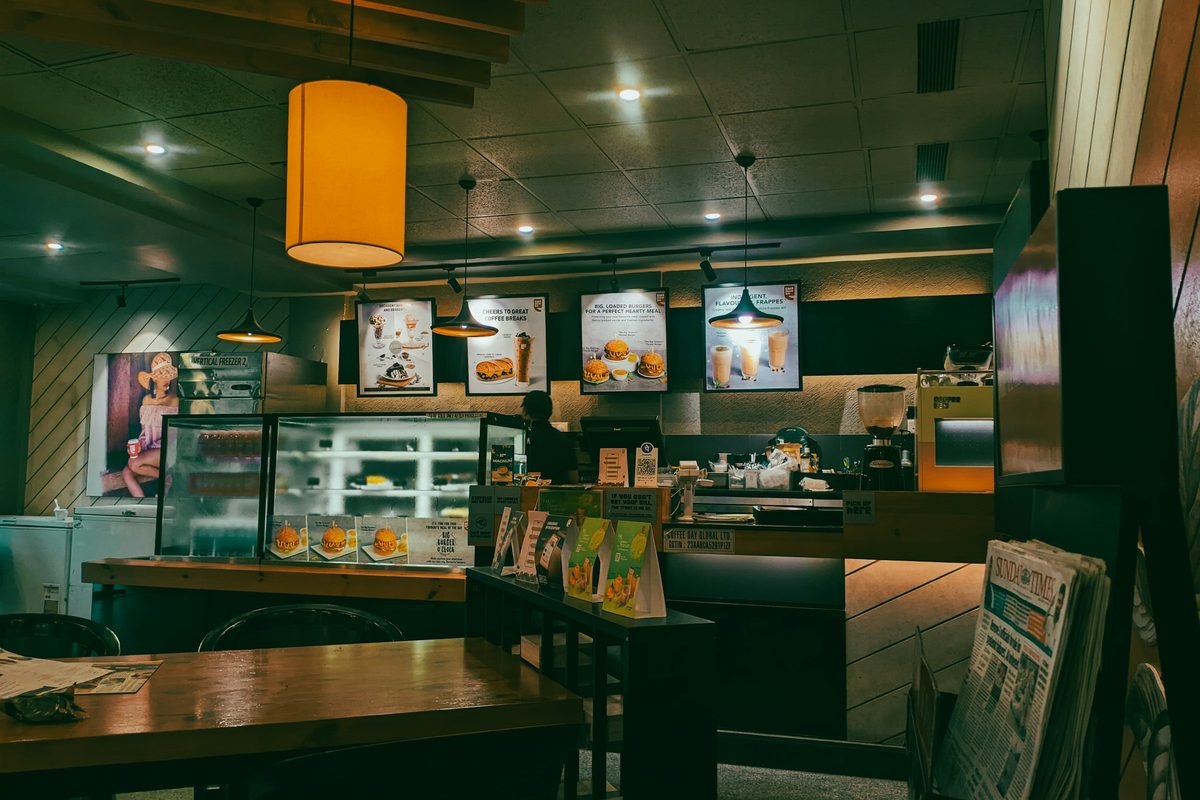
A fireplace, a rainy window, a forest walk: YouTube is full of calm "ambient" videos, and it is tempting to put one on the TV in a waiting room, salon or cafe. This article looks at what YouTube's own Terms say, and at a second question that is easy to miss: the copyright in the video itself.
This is general information, not legal advice. Terms and laws change, and they differ by country. The Terms quoted below are the version dated December 15, 2023, as shown on YouTube's site on November 3, 2026. If a use matters to your business, ask YouTube, the video's owner, or a lawyer.
What the Terms say
Under "Permissions and Restrictions", YouTube's Terms of Service say: "You may view or listen to Content for your personal, non-commercial use. You may also show YouTube videos through the embeddable YouTube player." They then list things you are not allowed to do, including to "access, reproduce, download, distribute, transmit, broadcast, display, sell, license, alter, modify or otherwise use any part of the Service or any Content" unless the Service expressly authorizes it, or you have prior written permission from YouTube and, if applicable, the rights holders.
Two things stand out. First, the permission is for personal, non-commercial use. Second, the sentence about the embeddable player is about embedding YouTube's player, for example on a web page. It does not say that a business may play videos on its own screens for customers. Whether a particular setup is allowed is a question for YouTube or a lawyer, but a screen in a shop or waiting room is not obviously "personal".
A second layer: the copyright in the video
Even if the Terms were not an issue, the video itself is usually someone's copyrighted work, and so is any music in it. In the United States, Section 106 of the Copyright Act gives the owner the exclusive right "to perform the copyrighted work publicly", including motion pictures and other audiovisual works, and for musical works. Showing a video to customers in a place open to the public is the kind of use this right is about. The creator of the video may have said you can use it; YouTube's Terms alone do not say so.
Practical problems, even if you are allowed
- Ads and suggestions. Ads, "up next" videos and pop-ups can appear in the middle of a quiet scene. In a waiting room, that is the opposite of calm.
- Connection and account. A video can stall, be removed, or be set to private. Someone has to stay logged in and keep the screen awake.
- Sound. If you already play background music, a video's own audio will clash with it.
Safer options
- Ask for written permission from the video's owner, and keep the reply.
- Use footage you own, or footage released with a license that explicitly covers commercial display. Read the license, not just the title.
- Use a service that is licensed for business use. Look for a written license that says where and how it may be shown (the same applies to streaming services).
keensense, for comparison
keensense is a service run by the people who wrote this article. It shows natural scenery in a web browser. It is built for display in shops, clinics and lounges, with no ads, no suggested videos and no text on screen. The sound can be muted with one tap if you already play background music. The business license covers display at the subscribed venue (details on the commercial page).
- Setup: open a dedicated URL in the browser of a TV, tablet or PC you already have. No account, sign-up, installation or special hardware (an internet connection is required).
- Scenes: campfire, candle, forest (five times of day), beach, park (cherry blossoms in spring, autumn leaves), night sky and a sea of clouds. A venue can choose one, or let the scene change automatically every 15, 30 or 60 minutes.
- Price: $69 per month or $690 per year. One license covers one location, with any number of screens inside that facility. A 7-day money-back guarantee applies if it doesn't work on your equipment or network.