A low-stress veterinary waiting room for pets and owners: sightlines, animal hearing and screens
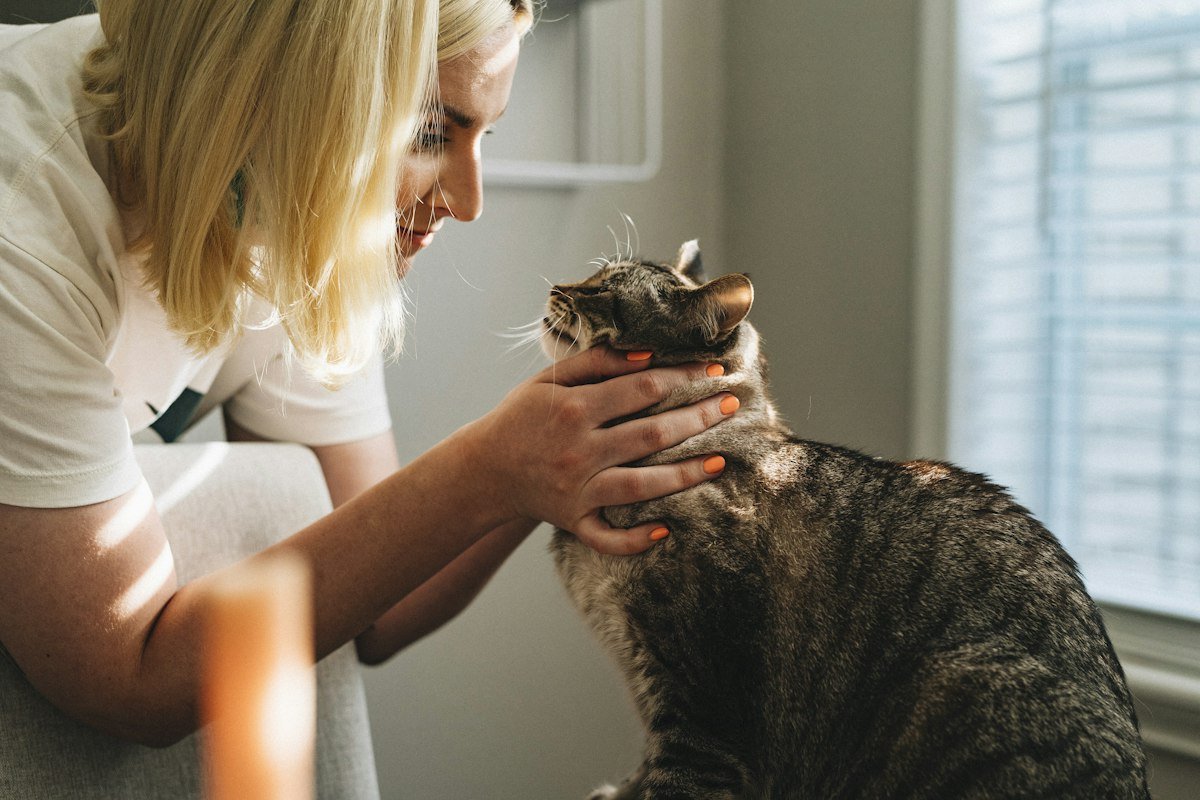
A veterinary waiting room has two kinds of visitors at the same time: animals that are on alert in an unfamiliar territory, and owners who are worried about their pet's health or the cost of care. When an owner is tense, the animal often picks up on that tension as well.
1. Sightlines and physical layout come before any screen
In veterinary behavior research on low-stress handling (such as Lloyd, 2017 in Veterinary Sciences), the physical layout of the waiting area is the first line of defense:
- Separate dog and cat areas: Even a partial partition or visual barrier prevents direct eye contact between dogs and cats.
- Keep carriers off the floor: Cats in carriers placed on the floor feel vulnerable to passing dogs. Sturdy elevated shelves or benches at chair height help cats feel safer.
- Avoid face-to-face seating: Arrange chairs in small clusters or facing slightly away from the main doorway so incoming pets do not startle animals already waiting.
2. Why screens in a vet clinic are for the owner—and should usually be muted
Dogs and cats hear higher frequencies than humans and are quick to react to sudden noises.
- Avoid TV shows with doorbells, barking, sirens or loud voices: Ordinary broadcast TV and commercials contain unpredictable audio triggers that can set off barking in the lobby.
- Be careful with bird calls or animal sounds: Even in nature videos, realistic bird chirps or rustling brush can make some dogs and cats alert rather than calm. Running the screen on mute (or using gentle surf/rain sounds after testing how patients react) is the safest default.
- Mount the screen above dog eye-level: Place the monitor high enough that large dogs do not paw at it or mistake moving shapes at floor level for another animal, and route all cables inside the wall or conduit so they cannot be chewed or tripped over.
keensense, for comparison
keensense renders calm natural scenery in a web browser—such as a beach, a sea of clouds, a lakeside park in spring or autumn, or a starry sky—with no animals on screen, no dialogue, and one-tap mute.
- One license per clinic ($69/month or $690/year): Covers the dog waiting area, the cat waiting area, and comfort/bereavement rooms at no extra per-screen cost, with a 7-day money-back guarantee.